The Influence of Environment on Player Behavior
The atmosphere within a casino is meticulously crafted to shape player behavior and enhance engagement levels. As soon as players enter, they are enveloped in a sensory experience that is designed to elicit excitement and anticipation. Bright lights, captivating sounds, and vibrant colors create a dynamic environment that feels alive and inviting. This deliberate design not only stimulates players’ senses but also influences their emotions, encouraging them to remain in the venue longer as they chase the adrenaline rush associated with gambling. For instance, the sound of jingling coins or the cheers of other players can evoke feelings of excitement and happiness, prompting newcomers to explore further.
Research has shown that the physical layout of a casino can significantly impact player decisions. The strategic placement of slot machines and gaming tables, along with the use of open spaces, enhances the feeling of accessibility and encourages exploration. When players feel free to move around without barriers, they are more likely to discover new games and engage in more gambling activities. This design encourages a sense of adventure, as players wander through the casino floor, drawn by the array of options available, including the best anonymous casinos that offer unique experiences. By creating an environment that caters to exploration, casinos effectively keep players captivated and eager to spend their money.
Moreover, casinos often employ familiar thematic elements that resonate emotionally with players. Themes based on popular culture, mythology, or adventure tap into players’ nostalgia and fantasies, providing an escape from their everyday lives. For example, a casino might feature a themed area based on a beloved movie or historical era, enhancing the immersive experience. This connection fosters a deeper emotional attachment to the gaming experience, making players more likely to invest time and money in pursuing these engaging narratives. Therefore, the way a casino is designed is not merely about aesthetics; it is a crucial aspect of psychological engagement.
The Power of Reward Systems
Reward systems are fundamental to how casinos leverage psychology to keep players engaged. The thrill of winning, reinforced through immediate rewards, creates a powerful incentive for players to continue playing. This phenomenon is exemplified through the use of jackpots and bonus features that provide instant gratification, which can lead to a cycle of behavior where players feel compelled to keep trying their luck. Research shows that the anticipation of a potential win triggers a dopamine response in the brain, further reinforcing the desire to remain engaged with the games. This biochemical feedback loop makes players more likely to return repeatedly in hopes of replicating that high.
Additionally, casinos often utilize loyalty programs and comp points to encourage repeat visits. These programs reward players for their time and money spent, which significantly increases their emotional investment in the casino. Players often feel a sense of belonging and recognition when they receive rewards, which fosters loyalty. This not only keeps existing players returning but also attracts new ones who are intrigued by the benefits of joining such programs, thereby enhancing the overall customer retention strategy. By making players feel valued, casinos cultivate a loyal customer base that is more likely to engage regularly.

The psychology of variable rewards further complicates the engagement strategy. Players are more motivated when the outcome is uncertain, as is often the case with gambling. Casinos masterfully create situations where players may win frequently in small amounts, but high jackpots remain elusive. This uncertainty keeps the tension and excitement alive, encouraging players to return time and again in hopes of hitting the big win. By carefully managing reward structures, casinos create a compelling environment that keeps players engaged and eager for their next experience, effectively turning the uncertainty into a powerful draw.
The Role of Social Interaction
Social interaction is another psychological element that casinos exploit to keep players engaged. Many gaming environments, from table games to poker rooms, foster a sense of community and camaraderie among players. The banter and shared experiences between players can create an enjoyable atmosphere, making gambling a more social activity rather than a solitary pursuit. This social engagement enhances players’ overall experience, making them more likely to return and interact again. For instance, players at a poker table often engage in conversations that enhance their enjoyment and create lasting friendships, further solidifying their connection to the casino.
Furthermore, casinos frequently host events, tournaments, and themed nights to encourage social gatherings. These events are designed to bring players together, fostering connectivity and competition. The excitement of playing against others or participating in a community event can spark a sense of belonging, drawing players back as they seek to reconnect with their newfound friends and the overall atmosphere. In doing so, casinos effectively harness a powerful psychological motivator: the human desire for social interaction and recognition. This strategy not only encourages repeat visits but also enhances the overall enjoyment of the gaming experience.
The presence of staff can also significantly enhance the social dynamics at play. Engaging dealers, attentive servers, and friendly hosts contribute to an inviting environment that keeps players feeling valued and appreciated. When players feel seen and acknowledged, they are more likely to enjoy their experience, leading to prolonged play. This personal touch generates a positive feedback loop; satisfied players often return, seeking both the thrill of the game and the social connections they have developed within the casino. Such relationships can create a sense of loyalty that extends beyond just the games themselves.
The Use of Cognitive Biases
Cognitive biases are mental shortcuts that the brain takes to simplify decision-making, and casinos exploit these biases to keep players engaged. One of the most prevalent biases is the “gambler’s fallacy,” where players believe that recent outcomes in a game influence future results. For instance, if a player has seen several losses in a row, they may predict that a win is “due.” Casinos capitalize on this belief, as it can lead players to continue playing, convinced that they are on the verge of a win. This psychological phenomenon keeps players invested in their decisions even when the odds are against them.
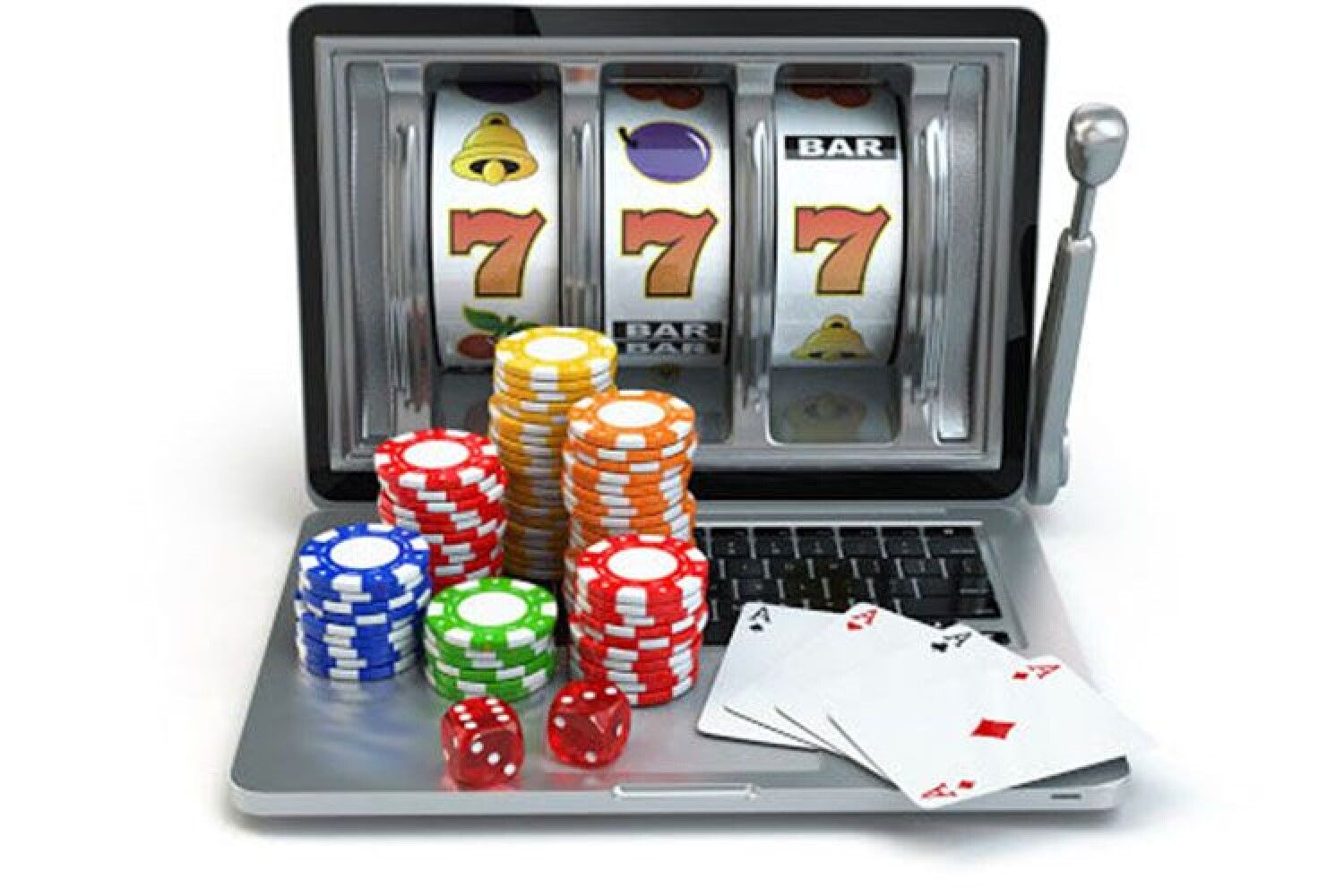
Another bias at play is the “illusion of control,” where players feel they can influence outcomes in games of chance. This is especially common with games like slot machines or roulette, where players may believe their chosen numbers or strategies will yield better results. By allowing players to feel a sense of agency over their gambling experience, casinos can enhance engagement and drive continued patronage, despite the random nature of these games. This illusion can lead players to make decisions that they believe will improve their odds, thus prolonging their time at the gaming tables.
Finally, the “anchoring effect” can also impact player behavior. Casinos often advertise high payouts and big wins prominently, setting a mental benchmark for players. This can lead players to compare their smaller wins against these larger amounts, creating a desire to keep playing until they achieve a comparable win. By manipulating these cognitive biases, casinos effectively maintain player interest and encourage ongoing gambling activity. This strategic approach not only enhances player engagement but also contributes to the overall atmosphere of excitement and anticipation within the casino.
Exploring Our Website for Insights on Casino Engagement
For those interested in understanding more about how psychology influences engagement within casinos, our website offers extensive resources and articles that delve into this fascinating topic. We explore the psychological techniques that casinos use, examining how they enhance the player experience and impact decision-making processes. By gaining a deeper understanding of these strategies, players can become more informed about their own gambling behaviors and choices, ultimately leading to a more conscious and enjoyable experience.
In addition to articles, our website features expert interviews, case studies, and interactive content that provide insights into the psychology of gambling. Whether you are a casual player or someone looking to understand the intricacies of casino marketing, our content serves as a valuable tool for enhancing your knowledge. Engaging with our resources can sharpen your awareness of the psychological tactics at play in the gaming industry, empowering you to make informed decisions during your gaming experiences.
Ultimately, the psychology of player engagement is a multifaceted field that combines environment, rewards, social interaction, and cognitive processes. Our website is dedicated to exploring these themes comprehensively to help everyone navigate the complex world of casinos. By equipping yourself with knowledge, you can approach your gaming experiences with enhanced perspective and awareness, making informed choices along the way. We invite you to explore our content and deepen your understanding of the captivating world of casino psychology.